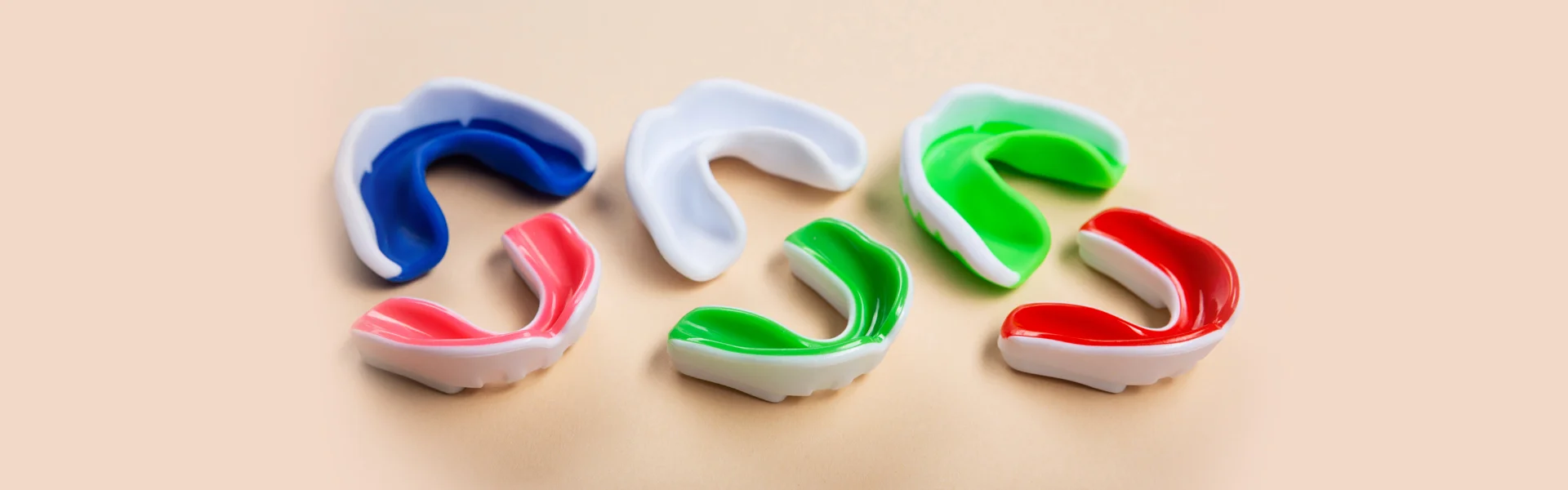
How Do You Know If Your Child Needs a Custom Mouth Guard for Sports?
October 1, 2026 | By MolarbearA mouth guard is easy to overlook when you are gathering helmets, pads, shoes, and other sports gear. Yet a fall, elbow, ball, or collision can quickly injure the teeth or soft tissues inside the mouth.
The right mouth guard fit for kids is about more than covering the front teeth. A good guard should feel secure, allow comfortable breathing, and stay in place while your child moves.
Which Children Should Wear a Sports Mouth Guard?
Children should wear mouth protection when their activity carries a realistic chance of contact with another player, the ground, or sports equipment. Football, hockey, lacrosse, martial arts, and wrestling are clear examples, but injuries can also happen during basketball, soccer, baseball, skateboarding, and similar activities.
The American Academy of Pediatric Dentistry recommends properly fitted mouthguards for organized sports that carry a risk of oral or facial injury.
Children at Higher Risk of Dental Injury
Some young athletes may need extra attention when choosing a guard. Risk can be higher for children who have prominent front teeth, previous dental trauma, orthodontic appliances, or frequent contact during sports.
Sports-related dental injuries may include:
- Chipped teeth
- A tooth fracture
- Loosened teeth
- Cuts to the lips or cheeks
- Injury to the tissues supporting a tooth
Dental development also matters. A pediatric mouth guard that fit well a few months ago may become loose as baby teeth fall out and permanent teeth erupt.
What About Children With Braces?
Children with braces still need protection during activities where mouth injuries are possible. Their guard should leave enough room for brackets, wires, and ongoing tooth movement.
A guard that was fitted before orthodontic treatment may not fit properly once braces are placed. Have the appliance checked rather than forcing it over the brackets.
When Is a Custom Mouth Guard Better Than a Store-Bought Guard?
Sports guards generally come in three types: stock, boil-and-bite, and custom-made. Each option fits differently, so the most expensive choice is not automatically the right one.
A custom-fit mouth guard is made from a record of your child’s teeth. Because it follows the shape of the mouth closely, it may stay in position more easily and feel less bulky during play.
The American Dental Association recognizes that custom guards can provide an individualized fit. However, a properly prepared boil-and-bite guard may also work well when it stays secure and is worn consistently. Families in the 77084 area may also want it reviewed at the start of a new sports season.
When a Custom Guard May Help
A dentist-made guard may be worth considering when your child:
- Cannot keep a store-bought guard in place
- Finds the current guard too bulky
- Plays a high-contact sport regularly
- Has braces or unusual tooth positioning
- Has already outgrown previous guards
- Repeatedly chews through or distorts over-the-counter guards
Comfort matters because children are more likely to keep wearing a guard that feels secure. Constantly removing or adjusting the appliance can reduce how consistently they use it.
For families considering mouth guards in Houston, TX, a pediatric dental visit can help you compare options. The dentist can consider the sport, your child’s current teeth, and how quickly the mouth is changing.
How Can You Tell If Your Child’s Mouth Guard Fits Correctly?
Parents often wonder how a mouth guard should fit when their child first begins wearing one. The simplest answer is that it should stay in place without requiring constant clenching.
A properly fitted mouth guard should not fall out repeatedly, pinch the gums, or rub the lips and cheeks. Your child should also be able to breathe comfortably while wearing it.
Signs the Fit May Need Attention
Watch how your child uses the guard during practice or games. Certain habits may suggest that the appliance no longer fits well.
Look for:
- Repeatedly pushing it back with the tongue
- Chewing on the guard during play
- Removing it to breathe or speak
- Complaints of rubbing or soreness
- A loose or unstable fit
A child’s mouth guard fitting can change during a sports season. Permanent teeth may erupt, baby teeth may fall out, and orthodontic treatment can gradually move the teeth.
Check the Guard for Wear
Inspect the mouth guard regularly for changes that could affect comfort or fit.
Look for:
- Tears or cracks
- Thin or worn areas
- Rough edges
- Changes in shape
- A loose or unstable fit
Growing children may need a replacement sooner because baby teeth fall out, permanent teeth erupt, and the bite continues to change.
Parents can bring the guard to a routine visit with a pediatric dentist in Houston for a fit check.
If you are searching for a pediatric dentist near me because the guard feels loose or uncomfortable, bring the appliance to the appointment so the dentist can determine whether it needs adjustment or replacement.
Conclusion
A sports mouth guard should stay secure, feel comfortable, and continue fitting as your child’s mouth develops. Owning a guard isn’t enough if it regularly slips, rubs the gums, or is left out during play.
Schedule a consultation with Molar Bear Pediatric Dentistry if you would like help choosing or checking a sports mouth guard. The dental team can review your child’s sport, dental development, braces, and current fit before recommending an appropriate option.
FAQs
Associations Membership





Accepting Insurance
We accept most insurance and PPO plans. Call us to find out more.